Pilsner Urquell: The Golden Beer That Changed Brewing
By Carmen Sparrow
A Witch’s Whisper to Begin
“By crystal malt and noble flower, let golden foam reveal its power.”
The Bad Brew of 1838
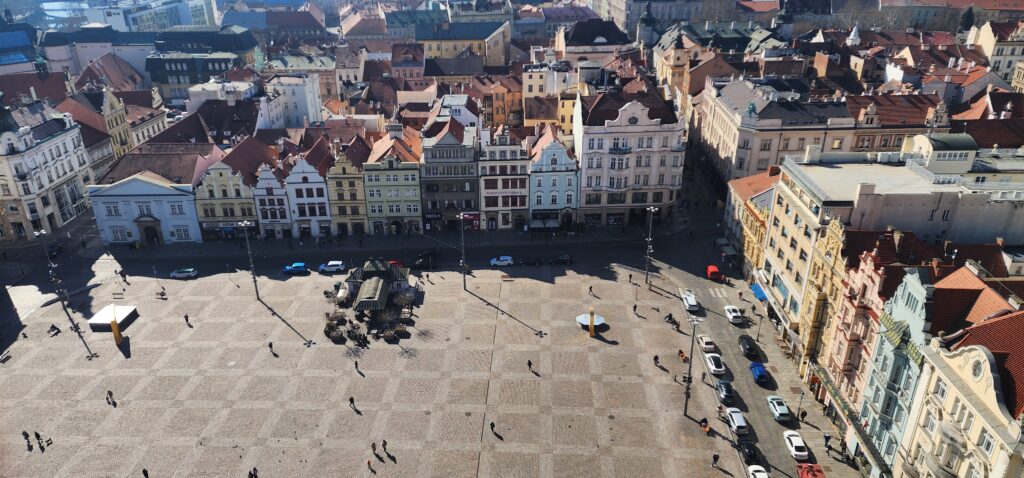
Picture Plzeň’s main square on a frosty autumn morning: 36 barrels of sour, brown ale roll to the cobbles and are smashed open for all to see. The townsfolk gasp; the mayor shakes his head. Local beer has become so unreliable—and so pricey—that innkeepers are secretly importing lager from Bavaria. The public dumping is both humiliation and a hex-breaking ritual: something must change. Beervana
A Bavarian Brewer & a New Yeast
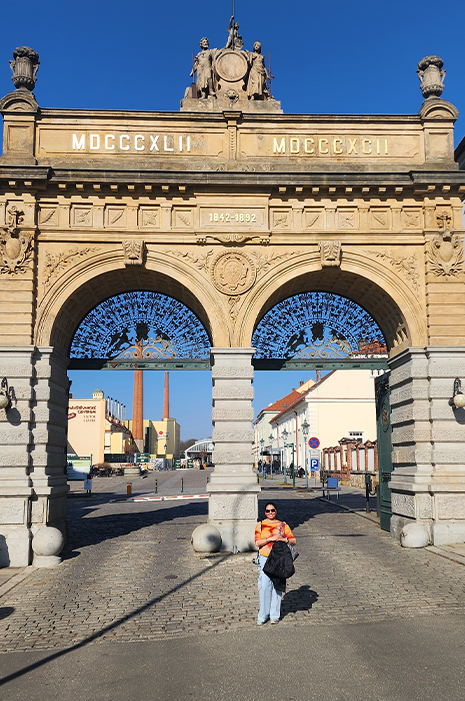
Enter Martin Stelzer, a civic-minded architect sent south to Munich in search of answers. He returns with brewhouse blueprints and a contact: Josef Groll, a 29-year-old Bavarian whose reputation is equal parts genius and stubbornness. Groll arrives in Plzeň in 1842 carrying two treasures: knowledge of lagering—fermenting cool and slow in deep cellars—and a mysterious bottom-fermenting yeast never before used in Bohemia. Brookston Beer Bulletin
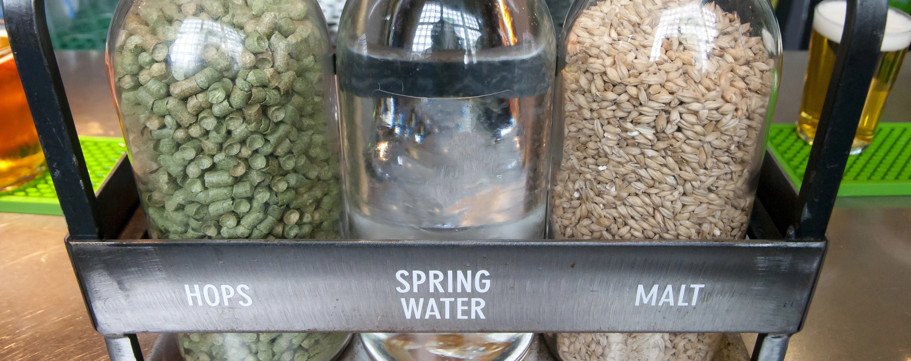
The Alchemy of Ingredients
Groll studies the local pantry like a potion-master:
Water — unusually soft well water, perfect for showcasing delicate hop oils.
Malt — a kiln so gently fired it yields straw-pale grain, almost unheard-of in 1840s Europe.
Hops — fragrant Czech Saaz, famed for herbal, floral nobility and low bitterness. Yakima Valley Hops
Marry them in oak vats, cool the wort in shallow “coolships,” then tuck the young beer away in labyrinthine sandstone cellars to sleep through the summer.
5 October 1842 — Birth of the Golden Spell
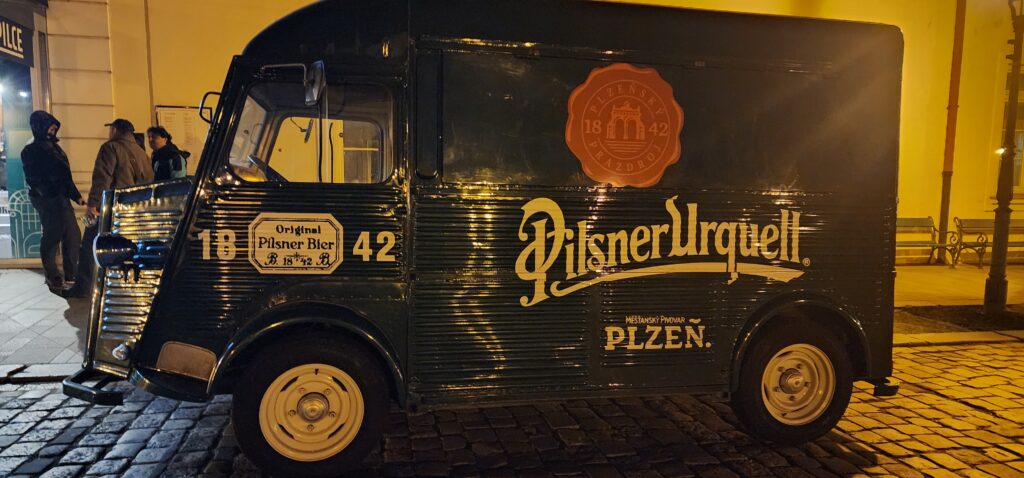
When the first cask is tapped, sunlight seems to pour into the stein: a brilliant, clear, golden lager crowned by snow-white foam. Locals have never seen beer this bright—glassware sales reportedly spike because everyone wants to admire the glow. By November, the new brew is being served at three inns—Zum Goldenen Anker, Zur Weißen Rose, and Hanes—and demand explodes. The brewery adopts the name Pilsner Urquell (“original source from Plzeň”) to ward off imitators. Brookston Beer BulletinMoreBeer
What Makes a Pilsner?
Color: 3–5 SRM—straw to pale gold. Aroma: freshly baked baguette, light honey, gentle herbal spice. Taste: soft malt sweetness balanced by crisp Saaz snap; finish is dry, beckoning the next sip. Classic Bohemian versions typically range from 4.4 to 5.0% ABV with 35 to 40 IBU.
Lager vs. Pilsner
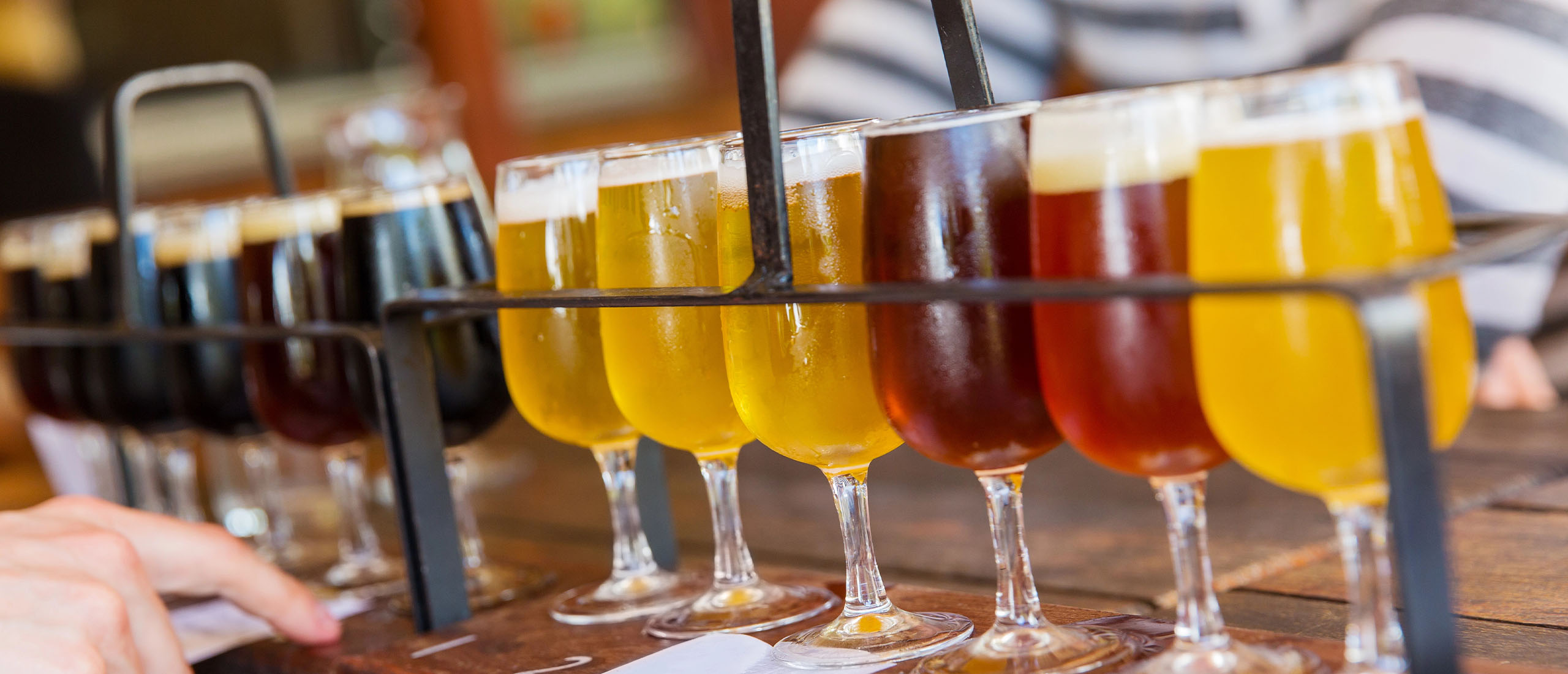
All pilsners are lagers, but not all lagers are pilsners. “Lager” simply means a bottom-fermented beer that is matured cold; the family ranges from pale Helles to dark Schwarzbier. Pilsner is the hop-bright, pale-gold branch of that family tree, distinguished by noble hops and a snappier bitterness. MasterClass
Pilsner’s razor-clean palate is culinary Teflon. Try:
Grilled steak or rotisserie chicken—malt sweetness mirrors Maillard char.
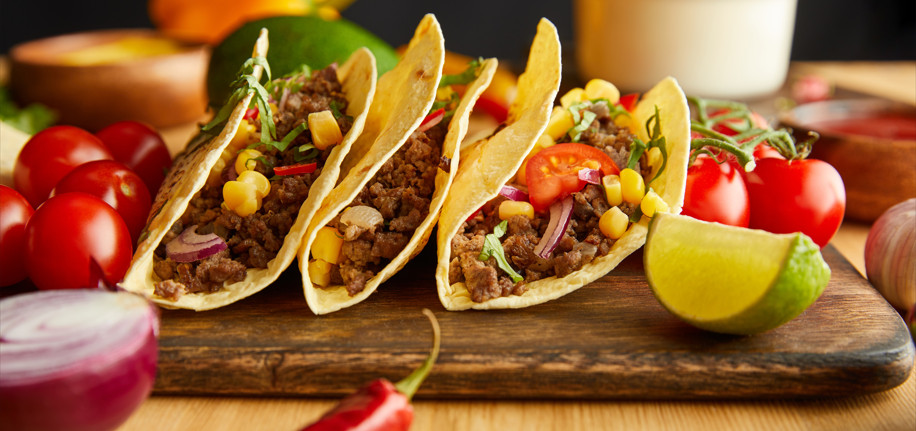
Spicy tacos or Thai curry—crisp carbonation extinguishes capsaicin.
Sushi—delicate hop spice won’t bully raw fish.
Pilsner Urquell Today — Tradition in Oak & Foam
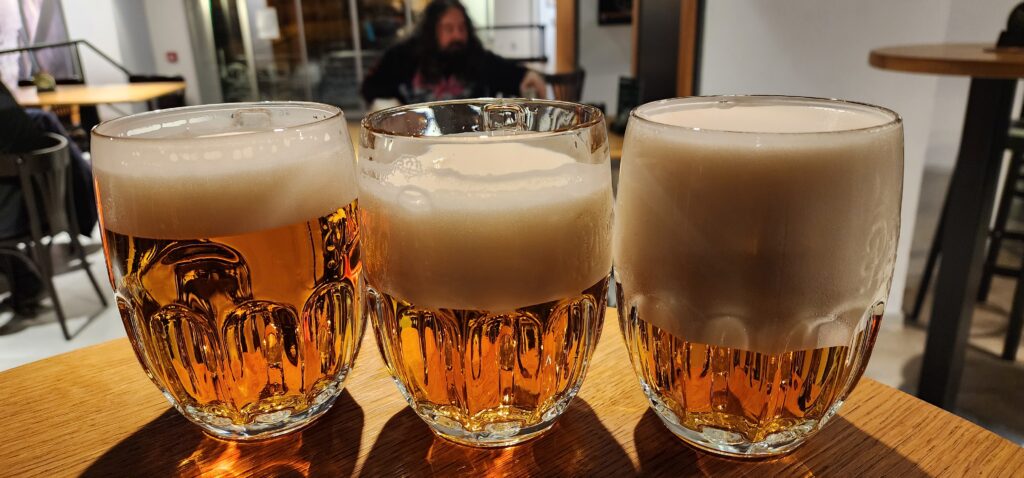
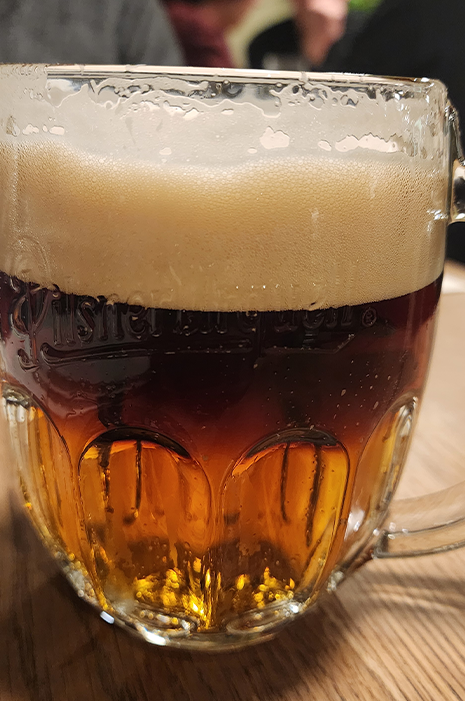
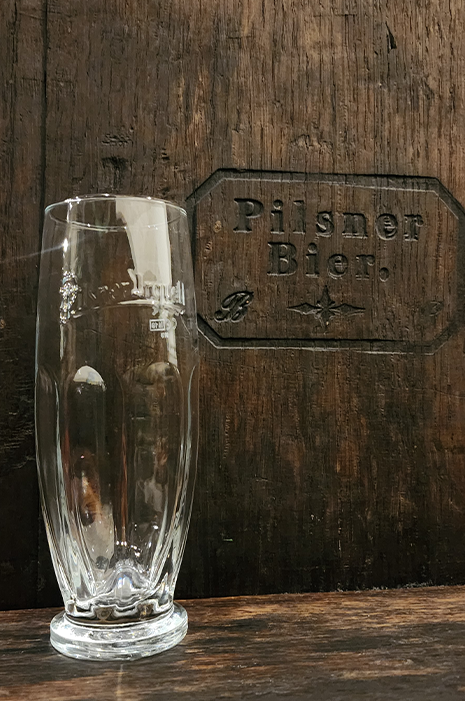
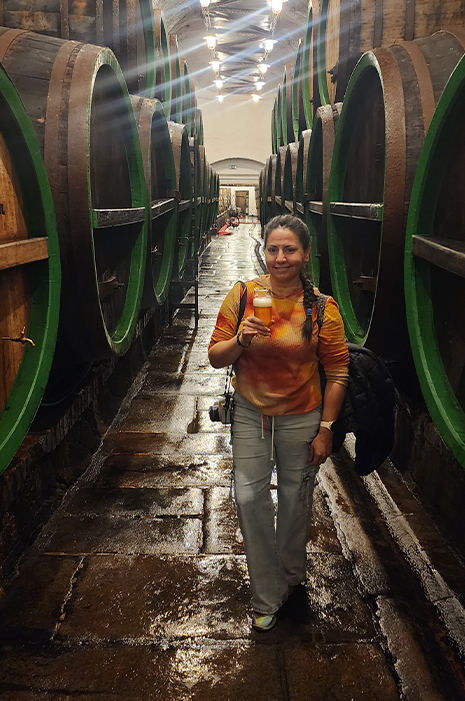
Visit Plzeň and you can still descend into ice-cold, candle-lit cellars to taste the unfiltered, unpasteurized version straight from oak barrels—a liquid time-machine. The brewery insists on a “Hladinka” pour: one inch of beer, three inches of dense mlíko foam, locking in aroma and guarding against oxidation. Czech bartenders train for months to master the tap angles and incantations of head-building.
Final Incantation
“Raise the chalice, pure and bright, golden lager, brewed just right; Saaz and cellar, malt and yeast— in every sip, a Bohemian feast.”
One spoiled batch and a public dumping led Bohemia to reinvent beer for the world. Whether you favor crisp German Pils or dry-hopped Italian riffs, every pale lager owes a tip of the pointed hat to that 1842 alchemy in Plzeň. Next time you lift a shimmering glass, whisper a thank-you to Josef Groll—and let the golden spell work its magic.
Welcome to Beerwitch, where my love for beer and wanderlust collide to create a journey filled with brews and exploration. Fuelled by a passion for both the artistry of beer and the adventures of travel, I’ve embarked on a global quest to immerse myself in the world of beers, sharing my experiences and insights along the way