How to Taste Beer Like a Pro
Professional beer evaluation follows a systematic approach. This is the method taught in Cicerone training and used by beer judges worldwide.
Here’s the framework:
- Appearance – What you see
- Aroma – What you smell
- Flavor – What you taste
- Mouthfeel – How it feels
- Overall Impression – Would you drink it again?
Let’s break down each step.
Step 1: Evaluate Appearance
What to Look For:
Before you smell or taste, observe your beer carefully. Appearance provides clues about ingredients, the brewing process, and what to expect.
Color
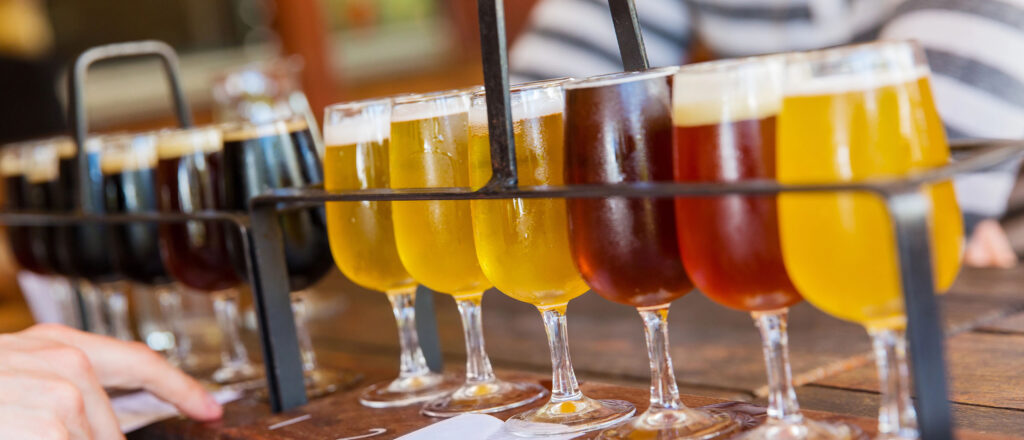
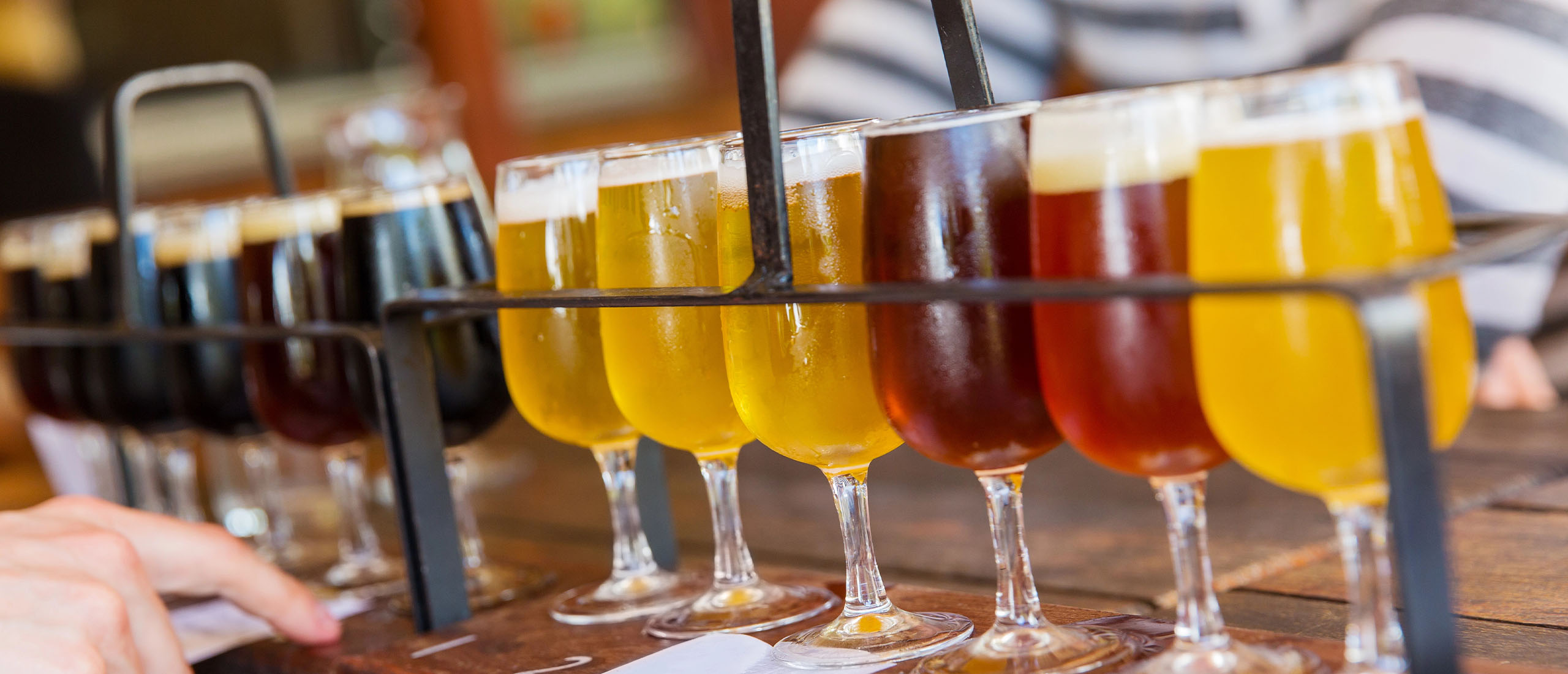
Beer color ranges from pale straw (light lagers) to pitch black (imperial stouts). Color comes primarily from malt.
Common Color Ranges:
- Pale Straw (2-3 SRM): Pilsners, light lagers
- Gold (4-6 SRM): Blonde ales, Kölsch
- Amber (10-17 SRM): Amber ales, Märzen, Oktoberfest
- Brown (20-30 SRM): Brown ales, porters
- Black (40+ SRM): Stouts, Schwarzbier
Pro Tip: Hold your glass up to a white background or light source to see the true color.
Clarity
Is your beer crystal clear, hazy, or opaque?
- Brilliant/Clear: German pilsners, Czech lagers, most filtered beers
- Hazy: Hefeweizens, New England IPAs, wheat beers
- Opaque: Imperial stouts, some porters
Important: Hazy doesn’t mean bad. Some styles (like hefeweizen) are supposed to be cloudy. Clarity depends on the style.
Head
The foam on top of your beer tells you a lot.
Observe:
- Size: How many fingers tall? (1-3 fingers is typical)
- Color: White, off-white, tan, or brown?
- Texture: Rocky and thick? Creamy? Fizzy and thin?
- Retention: Does it last or disappear quickly?
What It Means:
- Good head retention = fresh beer, proper carbonation, quality ingredients
- Poor head retention = old beer, low carbonation, or possible quality issues
- Tan/brown head = roasted malts (common in stouts and porters)
Carbonation
Look for bubbles rising in the glass. Are they small and delicate or large and aggressive?
- High carbonation: Belgian ales, hefeweizens, pilsners
- Low carbonation: Cask ales, some stouts
- Medium carbonation: Most beer styles
Why Appearance Matters:
You haven’t even smelled the beer yet, but you already know:
- The malt profile (light vs. dark)
- Whether it’s filtered or unfiltered
- If it’s fresh and properly carbonated
- What style might it be
Step 2: Analyze Aroma
This is where the magic happens. Aroma is 70-80% of what we perceive as “taste.” If you skip this step, you’re missing most of the experience.
How to Smell Beer Properly
❌ Don’t: Take one long, deep inhale
✅ Do: Take 3-4 short, quick sniffs
Why? Your olfactory receptors fatigue quickly. Short sniffs keep them fresh and alert.
Pro Technique:
- Swirl the beer gently to release aromatics
- Bring the glass to your nose
- Take 3-4 short sniffs
- Pull the glass away and think about what you smelled
- Repeat 2-3 times
What to Smell For
Beer aroma comes from three main sources: malt, hops, and yeast.
Malt Aromas
Malt provides the backbone and sweetness.
Common malt aromas:
- Grainy: Crackers, bread dough, cereal (pale malts)
- Bready: Fresh bread, toast (lightly kilned malts)
- Caramel: Toffee, butterscotch, burnt sugar (crystal malts)
- Roasted: Coffee, chocolate, burnt toast (dark malts)
Examples:
- Pilsner = grainy, cracker-like
- Amber ale = caramel, toffee
- Stout = coffee, dark chocolate, roasted
Hop Aromas
Hops provide bitterness, flavor, and aroma.
Common hop aromas:
- Citrus: Grapefruit, orange, lemon, lime
- Tropical: Mango, pineapple, passion fruit, guava
- Piney: Resin, forest, Christmas tree
- Floral: Rose, lavender, perfume, tea
- Herbal: Grass, mint, tea, earthy
Examples:
- West Coast IPA = piney, grapefruit
- New England IPA = tropical fruit, juicy
- English Pale Ale = floral, earthy, herbal
Yeast Aromas
Yeast creates esters (fruity) and phenols (spicy).
Common yeast aromas:
- Fruity esters: Banana, apple, pear, stone fruit, bubblegum
- Spicy phenols: Clove, pepper, vanilla
- Clean: Neutral, no yeast character (lagers)
Examples:
- Hefeweizen = banana, clove
- Belgian Tripel = fruity, spicy, peppery
- Pilsner = clean, neutral
Building Your Aroma Vocabulary
Don’t just say “smells good.” Be specific.
Instead of: “It’s hoppy.”
Say: “I’m getting grapefruit, pine, and a touch of resinous hops.”
Instead of: “It’s malty.”
Say: “I smell toasted bread, caramel, and a hint of toffee.”
Pro Tip: Write down 3-5 specific aromas before you taste. This trains your palate and builds your vocabulary.
Step 3: Evaluate Flavor
Now it’s time to taste. But don’t just gulp it down—taste it intentionally.
How to Taste Beer Properly
The Technique:
- Take a medium-sized sip (not too small, not too large)
- Let the beer coat your entire palate—front, sides, back
- Swish it gently (don’t gargle)
- Swallow
- Breathe out through your nose (this enhances flavor perception)
- Notice what lingers
The Three Phases of Flavor
Professional tasters evaluate flavor in three stages:
Initial Taste (First 2 Seconds)
What hits your palate first?
- Sweet malt?
- Hop bitterness?
- Fruity esters?
- Roasted coffee?
Example: An IPA might hit with bright citrus hops immediately.
Mid-Palate (2-5 Seconds)
What develops as the beer sits in your mouth?
This is where complexity emerges. You might taste:
- Layers of malt (caramel, bread, toast)
- Multiple hop flavors (citrus, pine, tropical)
- Yeast character (fruity, spicy)
- Alcohol warmth
Example: A Belgian Tripel might start fruity, then reveal spicy phenols and warming alcohol.
Finish (5+ Seconds)
What lingers after you swallow?
- Clean and crisp?
- Lingering bitterness?
- Sweet malt?
- Roasted coffee?
- Dry and astringent?
Example: A dry-hopped IPA might leave a pleasant, lingering bitterness.
The Five Basic Tastes in Beer
Your tongue detects five tastes:
- Sweet – Malt sugars, residual sweetness
- Bitter – Hops, roasted malt
- Sour – Lactic acid (sour beers, wild ales)
- Salty – Rare, but present in Gose
- Umami – Savory (very rare in beer)
Most beers strike a balance between sweet (malt) and bitter (hops) flavors.
Evaluating Balance
Ask yourself:
- Is it malt-forward or hop-forward?
- Do the flavors work together harmoniously?
- Is anything overpowering or out of place?
- Does it match the style expectations?
Good balance = all elements work together
Poor balance = one element dominates or clashes
Step 4: Assess Mouthfeel
Mouthfeel is often overlooked, but it’s critical to the overall experience.
Body
How heavy or light does the beer feel in your mouth?
Light Body:
- Feels like water or skim milk
- Crisp, refreshing, easy-drinking
- Examples: Pilsner, light lager, Berliner Weisse
Medium Body:
- Feels like whole milk
- Balanced, satisfying
- Examples: Pale ale, amber ale, most beers
Full Body:
- Feels like cream or half-and-half
- Rich, coating, substantial
- Examples: Stout, barleywine, doppelbock
Carbonation
How fizzy is the beer?
- Low: Soft, gentle bubbles (cask ale, some stouts)
- Medium: Standard fizz (most beers)
- High: Aggressive, prickly bubbles (hefeweizen, Belgian styles)
Carbonation affects drinkability. High carbonation is refreshing; low carbonation is smooth and creamy.
Texture
How does the beer feel on your palate?
Common descriptors:
- Smooth
- Creamy
- Silky
- Astringent (drying, like red wine)
- Prickly
- Warming (alcohol presence)
Example: A nitro stout feels creamy and smooth. An over-hopped IPA might feel astringent and drying.
Step 5: Overall Impression
Now step back and evaluate the beer as a whole.
Key Questions:
✅ Is it well-made? – No off-flavors, balanced, clean
✅ Does it fit the style? – If it’s labeled “IPA,” does it taste like an IPA?
✅ Is it drinkable? – Would you have another?
✅ Is it enjoyable? – Do you like it?
✅ Would you buy it again? – The ultimate test
Rating the Beer
If you want to assign a score, use a 1-10 scale:
- 1-3: Flawed, undrinkable
- 4-5: Drinkable but forgettable
- 6-7: Good, solid beer
- 8-9: Excellent, memorable
- 10: Perfect, world-class
Remember: A beer can be well-made but not to your taste. That’s okay. Professional tasting is about evaluation, not just personal preference.
Common Off-Flavors to Watch For
Part of tasting like a pro is recognizing when something’s wrong.
Diacetyl (Buttery, Butterscotch)
- Cause: Incomplete fermentation
- Acceptable in: Some English ales (low levels)
- Problem if: Slick, overwhelming butter flavor
DMS (Cooked Corn, Creamed Corn)
- Cause: Improper boil, contamination
- Problem: Dominant vegetal aroma
Acetaldehyde (Green Apple, Raw Pumpkin)
- Cause: Young beer, rushed fermentation
- Never acceptable
Oxidation (Cardboard, Wet Paper, Stale)
- Cause: Oxygen exposure, old beer
- Problem: Tastes stale and lifeless
Lightstruck (Skunky)
- Cause: UV light exposure (clear/green bottles)
- Never acceptable
If you detect an off-flavor, it’s usually a brewing or storage issue—not the style.
Pro Tips for Better Beer Tasting
1. Use Proper Glassware
Different glasses enhance different styles.
- Pilsner glass: Showcases clarity and carbonation
- Tulip glass: Captures aroma (IPAs, Belgian ales)
- Pint glass: Versatile, everyday use
- Snifter: For strong, aromatic beers (barleywines, stouts)
Avoid: Red Solo cups. They trap no aroma and ruin the experience.
2. Serve at the Right Temperature
Too cold = muted flavors
Too warm = harsh alcohol, unbalanced
General guidelines:
- Light lagers: 38-45°F (very cold)
- Pale ales, IPAs: 45-50°F (cool)
- Stouts, barleywines: 50-55°F (cellar temp)
Pro Tip: Let your beer warm up 5-10 minutes after pouring. You’ll discover new flavors as it warms.
3. Taste in the Right Order
If you’re tasting multiple beers:
Start light, end heavy:
- Light lagers
- Pale ales
- IPAs
- Dark ales
- Stouts
- High-ABV beers
Why? Strong flavors overwhelm your palate. Start subtle, build intensity.
4. Cleanse Your Palate
Between beers, reset your palate with:
- Water (best option)
- Plain crackers or bread
- Mild cheese
Avoid: Strong flavors, such as spicy food or coffee.
5. Take Notes
Write down your impressions immediately. Your palate fatigues quickly, and you’ll forget details.
Have fun and enjoy your beer!!!